


JOAN & ARNOLD
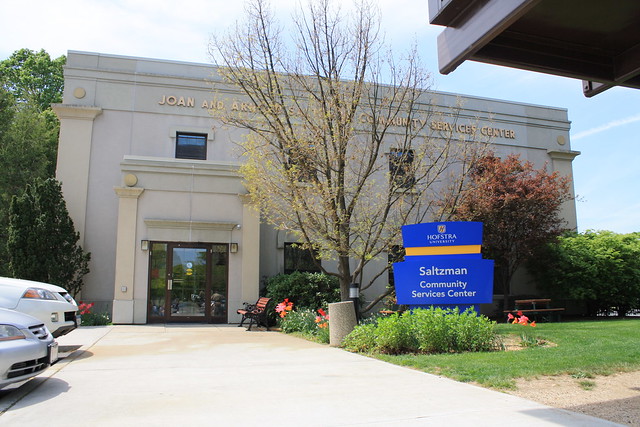
The Joan and Arnold Saltzman Community Services Center at Hofstra University includes four clinics and a fully licensed early childhood program:
The Diane Lindner-Goldberg Child Care Institute
The Child Care Institute (CCI) is a licensed, NAEYC-accredited early childhood program offering high-quality care and education for infants, toddlers, and preschoolers, as well as our exemplary pre-K classroom.
Explore the InstituteCounseling and Mental Health Professions
The Counseling and Mental Health Professions Clinic assists individuals, couples, and families as they explore and solve problems in a confidential, safe environment.
Discover the Counseling and Mental Health Professions ClinicPsychological Evaluation Research and Counseling
The Psychological Evaluation Research and Counseling Clinic provides diagnostic evaluations and psychological services to people of diverse backgrounds who are having behavioral, emotional, learning, or adjustment problems.
Learn About the PERC ClinicReading/Writing Learning
The Reading/Writing Learning Clinic provides literacy support to children, adolescents, and adults in a safe, supportive environment that encourages risk-taking and builds confidence.
About Reading/Writing LearningSpeech-Language-Hearing
The Speech-Language-Hearing Clinic offers diagnostic and treatment services to children and adults for a variety of communication disorders.
Explore the SLH ClinicEach of these units is affiliated with Hofstra University’s School of Education, the School of Health Sciences, or Hofstra College of Liberal Arts and Sciences.
For Students & Community
The Center supports high-quality educational and practical experiences for Hofstra University students and provides services to Hofstra University employees and to the community-at-large. All directors are members of academic departments and maintain the identity and goals of each academic discipline. At the same time, they associate and collaborate effectively with each other on professional issues. Access to multiple services within the Saltzman Center afford the opportunity for a comprehensive approach to clients’ needs.

Support the Center
Contact the Center
P: 516-463-6535
F: 516-463-4831