
Hofstra Becomes a Tree Campus USA
Hofstra University was named a Tree Campus USA in 2015. A Tree Campus is designated by the Arbor Day Foundation, a 501c (3) nonprofit conservation and education organization, to recognize current efforts to plant, nurture, and celebrate trees! Since 2015, Hofstra has met the five Tree Campus standards. Activities are sponsored on campus and across the country with a million members who support programs to make the world greener and healthier. Last year, students joined the Hofstra Grounds staff and Tree Campus USA committee and planted a tree on the plaza west of the new Business School Building.
Hofstra Arboretum
Visit the Hofstra Arboretum! Late winter and spring bloom inspires students and visitors year round. The 244-acre campus received official recognition as an Arboretum in 1985, with Hofstra's membership in the prestigious American Public Gardens Association, and is one of only 430 arboreta in the United States. Today, more than 12,000 evergreen and deciduous trees represent 625 species and varieties, and the number is increasing every year. View the Seasons of the Hofstra Arboretum online or visit the Hofstra campus anytime!
Memorials and Dedications
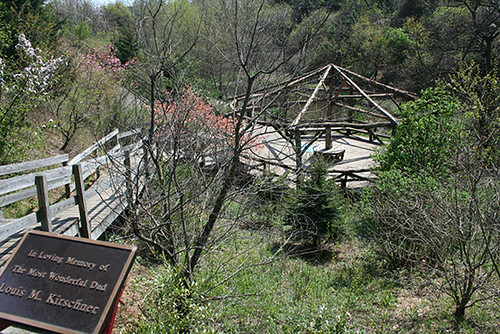
Memorial gardens, benches, and trees are located throughout the campus. There are many options to create an appropriate memorial or dedication designed with plaques, benches, gardens, trees, and plantings. View current plaques and memorials. Contact the Director of Grounds at 516-463-4067 for more information.

Bird Sanctuary
View photos from a recent bird sanctuary cleanup that took place as part of an Earth Day observance at Hofstra. The project was supervised by Fred Soviero, director of grounds and landscaping as well as of the arboretum.
*Please note the bird sanctuary is currently closed to visitors.