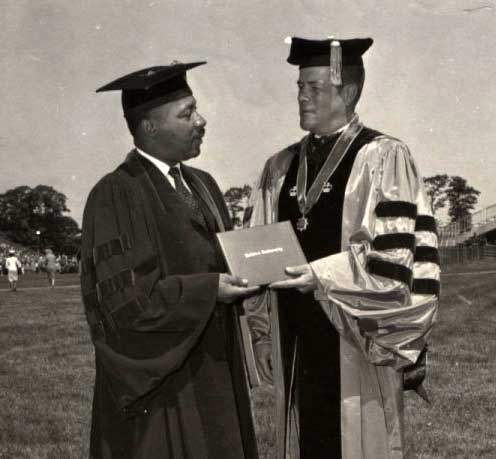
Image



Special Collections is comprised of three different areas: The Rare Books and Manuscripts collections, which consists of books brought together by a collector or items brought together because of a particular theme; University Archives, which focuses on the history of the University; and the Long Island Studies Institute, which contains information about the history of Long Island.
Books brought together by a collector or items brought together because of a particular theme.
Learn about Rare Books & Manuscripts
Information about the history of Long Island.
Learn about Long Island Studies InstituteThe Gardiner Foundation has generously funded a number of Long Island Studies Institute (LISI) projects, including the processing of the Hart Nichols Collection, the creation of a Long Island Business and Industry Catalog, and the completion of six student research projects. These completed projects have significantly expanded LISI’s holdings of historical research materials.
Explore the Projects
The collection includes interviews with artists and local residents conducted by director Nancy Solomon, and other folklorists and ethnomusicologists that have worked for Long island Traditions since its founding in 1992.
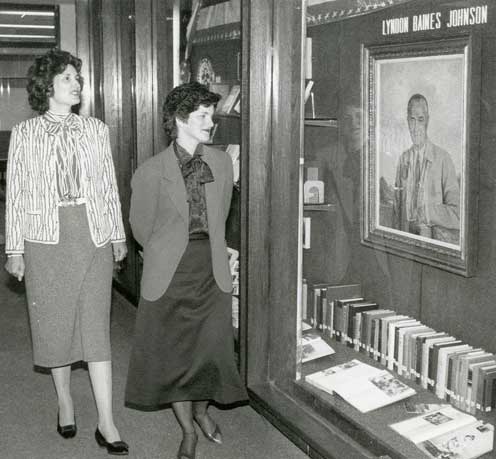
In the 1960s, the White House Naval Photographic Unit (NPC) began
producing films that highlighted special presidential trips, visits, and events.
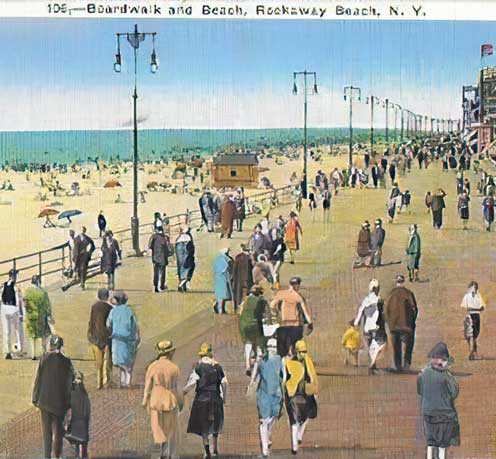
The collection, which ranges from c.1890s-present, includes canceled and unmarked postcards that cover a variety of subjects including advertising, business and industry, historic buildings, scenic views, and popular tourism destinations.
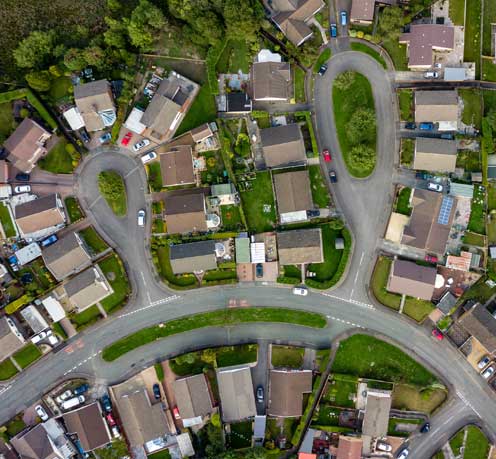
Topics and events illustrated through interviews with people involved or affected by them.
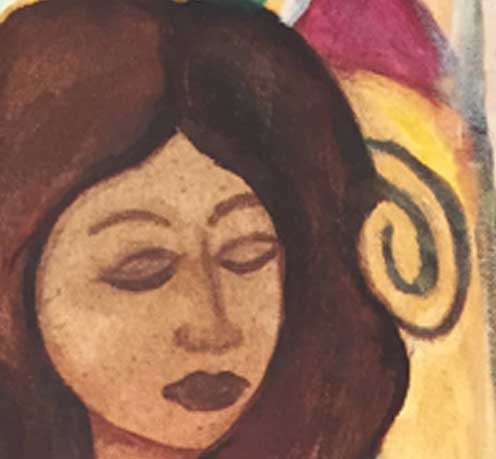
This digital archive presents highlights from two decades of grassroots story-shaping and gathering by Herstory Writers Workshop.
The top floor of the Library is a popular study spot, coveted for its peaceful bird’s-eye view of our campus and, on a clear day, of the New York City skyline.
Ten stories below, unseen and unknown to most, is a well of hidden treasures.
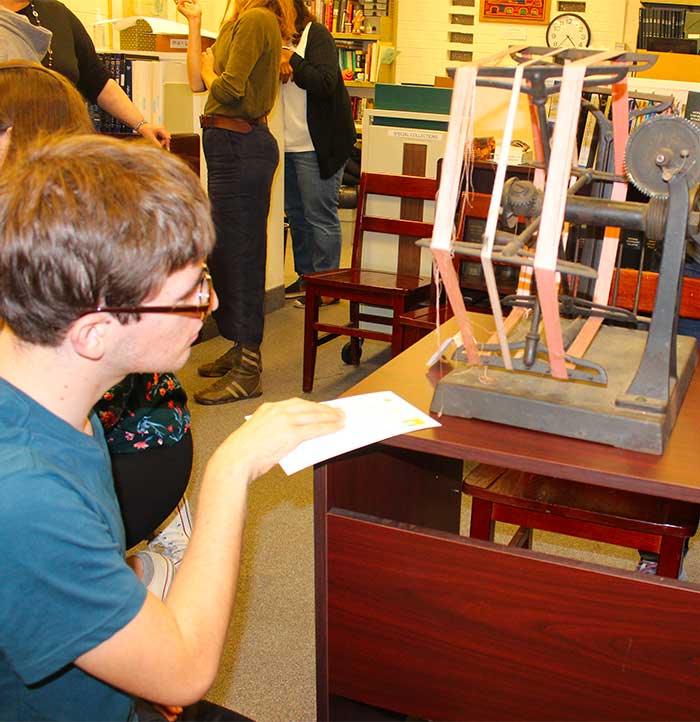
Exhibitions created from the Special Collections departments' varied materials, drawing their inspiration and content primarily from the historic records that document the history of Hofstra University, as well as the local and regional history of Long Island.
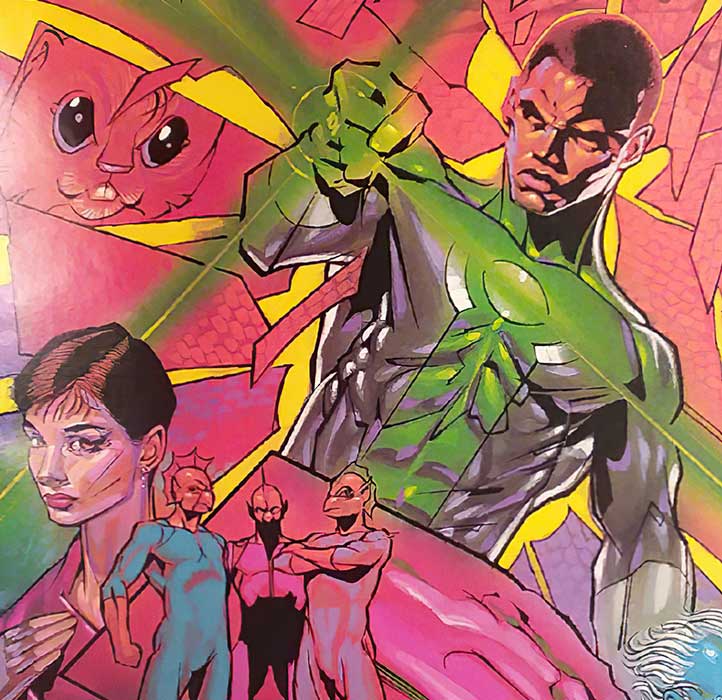
Special Collections is currently open by appointment only. Non-Hofstra visitors must receive prior approval.
Phone: 516-463-6411
Hours:
Weekdays (Monday – Friday)
9 a.m. – 4:45 p.m.