
Skip to content
Cultural Center

About Hofstra

Hofstra University is a dynamic private college on Long Island, NY, where students can choose from more than 140 undergraduate and 155 graduate programs in liberal arts and sciences, business, communication, education and allied human services, and honors studies, as well as a School of Law. | more |

Hofstra University

HOFSTRA CULTURAL CENTER presents an international conference

Between Three Continents:
Rethinking Equatorial Guinea on
the Fortieth Anniversary of its Independence from Spain

Thursday-Saturday
April 2-4, 2009

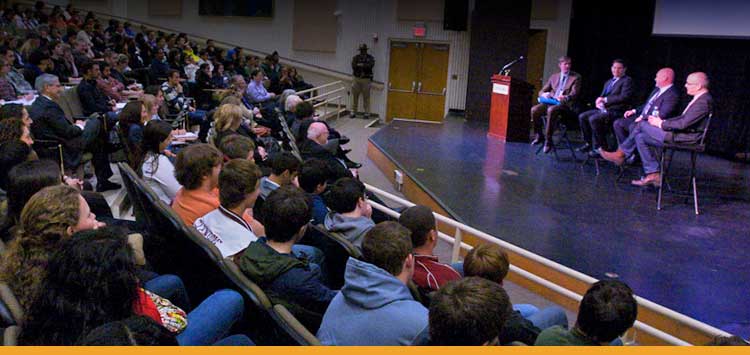
ROUND-TABLE OF GUINEAN WRITERS
Instituto Cervantes New York
211 East 49th Street, New York, NY

Francisco Zamora Loboch

Born in Malabo (although his family is from the island of Annobón), journalist, writer, musician and composer, Francisco Zamora has published countless articles in the Spanish press. He is the author of Cómo ser negro y no morir en Aravaca [How to be black and not die in Aravaca, 1994], two books of poetry, Memoria de laberintos [Memoir of Labyrinths, 1999] and Desde el Viyil [From Mount Viyil, 2008], and he has just published a novel, Conspiración en el green (El informe Abayak) [Conspiracy at the Green. (Abayak's Report, 2009)]. His literary journey started in Spain during the "years of silence" of Equatorial Guinea, under the rule of Francisco Macías Nguema (1968-79), and his poetry reflects the trauma of life in exile, and the ensuing identity conflict that results from it. He currently lives in Madrid, where he works as a journalist for a sports newspaper, and as a musician.

Nacido en Malabo (aunque su familia es originaria de la isla de Annobón), periodista, escritor, músico y compositor, Francisco Zamora ha publicado numerosos artículos en la prensa de España. Es autor de Cómo ser negro y no morir en Aravaca (Ediciones B, 1994), de dos poemarios, Memoria de laberintos (Sial Ediciones, 1999) y Desde el Viyil (Sial Ediciones, 2008), y acaba de publicarse su primera novela, Conspiración en el green. (El informe de Abayak) (Sial Ediciones, 2009). Empezó su andadura literaria en España durante los "años del silencio" de Guinea Ecuatorial, bajo el régimen de Francisco Macías Nguema (1968-1979), y su poesía refleja el trauma del exilio y el consiguiente conflicto de identidad que resultó de ello. En la actualidad vive en Madrid, donde ejerce como periodista de prensa deportiva y como músico.

Remei Sipi Mayo

Born in Rebola (island of Bioko), writer and essayist, Remei Sipi is the President of the Federation of Ecuatoguinean Associations in Catalunya; co-founder of E´Waiso Ipola, an organization of African women; and co-founder of the association of African Intellectuals in Spain. She lives in Barcelona and works and writes on issues related to gender and African women, with particular emphasis on immigrant women in Spain and Europe. Her book, Inmigración y género: El caso de Guinea Ecuatorial [Immigration and Gender: The Case of Equatorial Guinea, 2004] advocates for the rights of Equatorial Guinean women who migrate to support their families. She is also de author of Cuentos africanos [African Short Stories, 2005] and of El secreto del bosque. Un cuento africano [The Secret of the Forest. An African Short Story, 2007].

Nacida en Rebola (isla de Bioko), la escritora y ensayista Remei Sipi es la Presidenta de la federación de Asociaciones Guineanas en Cataluña, cofundadora de la asociación de mujeres Africanas E´Waiso Ipola, y cofundadora de la asociación de Intelectuales Africanos en España. Vive en Barcelona y trabaja y escribe sobre temas relacionados con el género y la mujer africana, con particular énfasis en asuntos de la mujer inmigrante en España y en Europa. Su libro, Inmigración y género: El caso de Guinea Ecuatorial (Gakoa, 2004), aboga por los derechos de la mujer guineana que emigra para mantener a su familia. También es autora de Cuentos africanos (Ediciones Carena, 2005) y El secreto del bosque. Un cuento africano (Clavell Cultura, 2007).

Justo Bolekia Boleká

Born in Baney (island of Bioko), Justo Bolekia is a linguist and a writer who teaches French linguistics at the University of Salamanca. He has published numerous articles and books of essays, as well as poetry and creative works. His research and writings make him the most celebrated scholar of the Bubi language, culture, and oral history. Among his publications are: Narraciones bubis. Otra morfología del cuento africano [Bubi Oral Histories. Another Morphology of the African Short Story,1994]; Antroponimia bubi. Estudio lingüístico [Bubi Antroponimias. A Linguistic Study, 1994]; Breve diccionario bubi-castellano/castellano-bubi [Abreviated Dictionary Bubi-Spanish/Spanish-Bubi, 1997]; the poetry book Lobela [Lobela, 1999]; Aprender el bubi. Método para principiantes [To Learn Bubi. Method for Beginners, 1999]; La crisis del estado postcolonial. Etnias, lenguas y poder en Africa [The Crisis of the Postcolonial State. Ethnicity, Languages and Power in Africa, 2001]; Cuentos bubis de la isla de Bioko [Bubi Short Stories of the Island of Bioko, 2003]; Aproximación a la historia de Guinea Ecuatorial (Approach to the History of Equatorial Guinea, 2003), the poetry books Ombligos y raíces. Poesía Africana [Navels and Roots. African Poetry, 2006], and Poesía en lengua bubi. Antología y estudio [Poetry in Bubi Language. Anthology and Introduction, 2007]; Lingüística bantú a través del bubi [Bantú Linguistics through the Bubi Language, 2008]; La Francofonía. El nuevo rostro del colonialismo en África [Francophone Area of Influence. The New Face of Colonialim in Africa, 2008]; and his last book Las reposadas imágenes de antaño [The Resting Images of the Past, 2008]. He is currently preparing a Bubi-Spanish Dictionary that will be published shortly by Editorial Gredos.

Natural de Baney (isla de Bioko), Justo Bolekia es lingüista y escritor y ejerce como profesor de filología francesa en la Universidad de Salamanca. Ha publicado numerosos artículos y libros de ensayos, y también varios libros de poesía y trabajo creativo. Sus investigaciones y publicaciones le convierten en el mayor estudioso de la lengua, la cultura y la historia oral bubis. Entre sus libros publicados contamos con: Narraciones bubis. Otra morfología del cuento africano (Universidad de Salamanca, 1994); Antroponimia bubi. Estudio lingüístico (Centro Cultural Hispano-Guineano, 1994); Breve diccionario bubi-castellano/castellano-bubi (Gram Ediciones, 1997); el libro de poesía Lobela (Sial Ediciones, 1999); Aprender el bubi. Método para principiantes (Sial Ediciones, 1999); La crisis del estado postcolonial. Etnias, lenguas y poder en Africa (Universidad de Murcia, 2001); Cuentos bubis de la isla de Bioko (Editorial Malamba, 2003); Aproximación a la historia de Guinea Ecuatorial (Amaru Ediciones, 2003); los libros de poesía Ombligos y raíces. Poesía Africana (Sial Ediciones, 2006), y Poesía en lengua bubi. Antología y estudio (Sial Ediciones, 2007); Lingüística bantú a través del bubi (Universidad de Salamanca, 2008); La Francofonía. El nuevo rostro del colonialismo en África (Amaru Ediciones, 2008); y el libro de poesía La reposadas imágenes de antaño (Sial Ediciones, 2008). Actualmente prepara un diccionario bubi-español que se publicará próximamente en la editorial Gredos.

José Siale Djangany

Born in Malabo (island of Bioko), lawyer and writer, Siale Djangany grew up in Malabo, Baney, Mbini, and Lea, trailing in the footsteps of his Bubi and Ndowe ancestry. After studying law in Paris, he returned to his home country to become a Magistrate in the Supreme Court, and legal advisor to the Presidency. Today he is an avid essayist and playwright. Two of his plays, Djanka o el lapso de una ternura, and Laura Metambe Ripalacasa o el hijo del matador (both unpublished) received awards from the French Institute of Cultural Expression in Malabo. His first book, Cenizas de kalabó y termes [Ashes of Kalabó and Thermes] was published in 2001; it was followed in 2003 with La revuelta de los disfraces [The Revolt of the Costumes]. His last novel, from 2007, is Autorretrato con un infiel [Self Portrait with an Infidel]. He lives in Malabo were he works as a lawyer, and is currently preparing a monographic volume on contemporary Guinean writers.

Nacido en Malabo (isla de Bioko), el escritor y abogado Siale Djangany creció en Malabo, Baney, Mbini y Lea, siguiendo las huellas de sus ancestros bubi y ndowé. Tras estudiar derecho en París, regresó a Guinea Ecuatorial donde ejerció como Magistrado de la Corte Suprema de Justicia y consejero de la Presidencia del Gobierno en materia jurídica. Actualmente es un ávido ensayista y escritor. Dos de sus obras teatrales, Djanka o el lapso de una ternura y Laura Metambe Ripalacasa o el hijo del matador (ambas inéditas), fueron premiadas por el Instituto Francés de Expresión Cultural de Malabo. En el año 2001, publicó su primera novela, Cenizas de kalabó y termes (Editorial Malamba); le siguió en el 2003 La revuelta de los disfraces (Editorial Malamba). Su última novela, del 2007, se titula Autorretrato con un infiel (El Cobre Ediciones). Vive en Malabo, donde ejerce como abogado, y trabaja en la preparación de un estudio monográfico sobre la literatura guineana contemporánea.

Donato Ndongo Bidyogo

Born in Niefang (Río Muni), journalist, historian and novelist, Donato Ndongo is a prolific writer, and considered by many the father of Guinean literature. He denounced the Francisco Macías' regime (1968-79) before it ended in a historical work, Historia y tragedia de Guinea Ecuatorial [History and Tragedy of Equatorial Guinea, 1977], and returned to the same theme later in his career with a novelistic approach, Los poderes de la tempestad [The Powers of the Tempest, 1997]. He is the editor of the first published Antología de la literatura guineana [Anthology of Guinean Literature, 1984], a task he followed up in 2000 with the publication of another, more comprehensive volume, Literatura de Guinea Ecuatorial. Antología [Literature of Equatorial Guinea. An Anthology]. As a novelist, he is also the author of Las tinieblas de tu memoria negra [Shadows of your Black Memory, 1987], which has been recently translated into English and published by Swan Isle Press (2007), and of El metro [The Subway, 2007]. The first two novels are conceived as part of a trilogy, "Los hijos de la tribu" ["Children of the Tribe"] whose third and last volume will be published soon. Donato Ndongo was director of the Colegio Mayor Universitario Nuestra Señora de Africa in Madrid, and then of the Centro Cultural Hispano-Guineano in Malabo (1985-1992) upon his return to his home country; he was correspondent in Central Africa for the press news agency EFE until 2000, and then director of the Centro de Estudios Africanos at the University of Murcia. He spent three years as visiting professor at the University of Missouri-Columbia (2005-2008), and resides now in Spain, where he directs the journal Palabra.

Nacido en Niefang (Río Muni), el periodista, historiador y novelista Donato Ndongo es un prolífico escritor, y considerado por muchos como el padre de la literatura guineana. Denunció el régimen de Francisco Macías (1968-79) antes de que terminara en un trabajo de dimensión histórica, Historia y tragedia de Guinea Ecuatorial (Cambio 16, 1977) y regresó al mismo tema más tarde en su carrera con un acercamiento novelístico en Los poderes de la tempestad (Morandi Editores, 1997). Es el compilador de la primera Antología de la literatura guineana (Editora Nacional, 1984) que se haya publicado nunca, tarea que continuó en el año 2000 con la publicación de otro volumen, más extenso y puesto al día, Literatura de Guinea Ecuatorial. Antología (Sial Ediciones, 2000). Como novelista es también el autor de Las tinieblas de tu memoria negra (Editorial fundamentos, 1987), recientemente traducida al inglés y publicada en Swan Isle Press (2007), y de la novela El metro (El Cobre Ediciones, 2007). Sus primeras dos novelas han sido concebidas como parte de una trilogía, "Los hijos de la tribu", cuyo tercero y último volumen será publicado próximamente. Donato Ndongo fue director del Colegio Mayor Universitario Nuestra Señora de África en Madrid, y luego del Centro Cultural Hispano-Guineano en Malabo (1985-1992) cuando regresó a su país después de la independencia y la dictadura; fue corresponsal para toda África Central de la agencia española de noticias EFE hasta el año 2000, y luego director del Centro de Estudios Africanos de la Universidad de Murcia. Durante tres años fue profesor visitante en la Universidad de Missouri-Columbia (2005-2008) y actualmente reside en España, donde dirige la revista Palabra.

María Nsué Angüe

Born in Bidya-bidyán, near Ebibeyín and the border with Cameroon, writer, and story-teller, María Nsue grew up and studied journalism in Madrid. She has written numerous short stories, articles and poems and claims to have several unpublished manuscripts. Recurring themes in her writings include gender oppression and the postcolonial African society. In her most famous work, Ekomo (1985), the first novel published by a female writer in Equatorial Guinea, she narrates the story of a Fang woman who-at the death of her husband-dares to challenge some of African society' taboos and norms. This novel was translated into French in 1995 [Ekomo, au Coeur de la Foret Guinee], and a translation into English is forthcoming. María Nsue also published a volume of short stories entitled Relatos (1999), and participated in the CD-Rom project Mbayah, o la leyenda del sauce llorón [Mbayá, or the Leyend of the Weeping Willow, 1997]. After spending most of her life in Spain she has recently returned to live in Malabo.

Nacida en Bidya-bidyán, cerca de Ebibeyín y de la frontera con Camerún, la escritora y cuenta-cuentos María Nsue creció y estudió periodismo en Madrid. Ha escrito varios relatos cortos, artículos y poemas y asegura tener varios manuscritos inéditos. Temas recurrentes en su obra son la opresión de la mujer y la sociedad africana postcolonial. En su obra más importante, Ekomo (Publicaciones UNED, 1985), la primera novela publicada por una mujer ecuatoguineana, narra la historia de una mujer fang que, a la muerte de su marido, se atreve a desafiar ciertos tabúes y normas de la sociedad africana. La novela se tradujo al francés en 1995 bajo el título de Ekomo, au Coeur de la Foret Guinee, y en estos momentos se prepara una traducción al inglés, que se publicará próximamente. María Nsue publicó también un libro de cuentos titulado Relatos (Centro Cultural Hispano-Guineano, 1999) y colaboró en el proyecto de CD-Rom titulado Mbayah, o la leyenda del sauce llorón (Nubenegra, 1997). Después de pasar la mayor parte de su vida en España regresó recientemente para quedarse a vivir en Malabo.

Juan Tomás Ávila Laurel

A native of the island of Annobón and now living in Malabo, Ávila Laurel is an immensely prolific writer and one of the most recognized outside Equatorial Guinea. He has always resided in his country and represented it in numerous and important international literature forums and events. He has been invited speaker at conferences in Korea, Switzerland, and several times in Spain and in the United State. His work is characterized by and incisive criticism of the social and political realities, and the economic inequalities, in his country in particular and in Africa in general. He is the author of more than a dozen books, including novels, plays, poetry, essays, and film scripts, and has several unpublished manuscripts, some of them forthcoming. Among his published titles are: Poemas [Poems, 1994]; Los hombres domésticos [Domestic Men, 1994]; Historia íntima de la humanidad [Intimate History of Humanity, 1999]; the novel La carga [The Burden, 1999]; Awala cu sangui [Awala with Blood, 2000]; El derecho de pernada, o de cómo se vive el feudalismo en el siglo XXI ['First Night', or How Feudalism Survives into the XXI Century, 2000]; the novel El Desmayo De Judas [Judas' Faints, 2001]; Nadie tiene buena fama en este país [Nobody Has A Good Name in this Country, 2002]; El fracaso de las sombras [The Failure of the Shadows, 2004]; Cómo convertir este país en un paraíso, con otras reflexiones sobre Guinea Ecuatorial [How to Make a Paradise out of this Country, with Other Reflections on Equatorial Guinea, 2005]; Guinea Ecuatorial. Vísceras [Equatorial Guinea. Entrails, 2006]; Cuentos Crudos [Crude Short Stories, 2007]; and his last two novels, Avión de ricos, ladrón de cerdos [Plane for the Rich, Thief of Pigs, 2008], and Arde el monte de noche [The Forest Burns at Night, 2009]. Forthcoming titles are, among others, his book Africa ya dejó de mamar [Africa Stopped Suckling], and the documentary screen play Un día vi cien mil elefantes [One Day I Saw One Hundred Thousand Elephants]. He was he director of the literary journal El patio, and is currently the director of Atanga, the only literary and cultural journal published in Equatorial Guinea.

De origen annobonés y ahora viviendo en Malabo, Ávila Laurel es un escritor inmensamente prolífico y uno de los más reconocidos fuera de Guinea Ecuatorial. Ha residido siempre en su país, al que ha representado en numerosos e importantes foros internacionales de literatura. Ha sido conferenciante invitado en congresos internacionales en Corea, Suiza, Mozambique, y en numerosas ocasiones en España y en los Estados Unidos. Su obra se caracteriza por un compromiso crítico con la realidad social y política, y con las desigualdades económicas, en su país en particular y en África en general. Es el autor de más de una docena de libros entre los que se incluyen novelas, obras de teatro, poesía, ensayo, y guiones cinematográficos. Tiene además varios manuscritos inéditos o en vías de publicación. Entre los títulos publicados se incluyen: Poemas (Centro Cultural Hispano-Guineano, 1994); Los hombres domésticos (África 2000, 1994); Historia íntima de la humanidad (Ediciones Pángola, 1999); la novela La carga (Editorial Palmart, 1990); Awala cu sangui (Ediciones Pángola, 2000); El derecho de pernada, o de cómo se vive el feudalismo en el siglo XXI (Ediciones Pángola, 2000); El Desmayo De Judas (Centro Cultural Hispano-Guineano, 2001); Nadie tiene buena fama en este país (Editorial Malamba, 2002); El fracaso de las sombras (Ediciones Pángola, 2004); Cómo convertir este país en un paraíso, con otras reflexiones sobre Guinea Ecuatorial (Ediciones Pángola, 2005); Guinea Ecuatorial. Vísceras (Fundación Alfons el Magnánim, 2006); Cuentos Crudos (Centro Cultural Español de Bata, 2007); y sus dos últimas novelas, Avión de ricos, ladrón de cerdos (El cobre, 2008), y Arde el monte de noche (Editorial Calambur, 2009). Entre sus varios libros de próxima aparición están África ya dejó de mamar, y el guión cinematográfico Un día vi cien mil elefantes. Ávila Laurel fue el director de la revista literaria El patio, y actualmente es el director de Atanga, la única revista literaria y cultural publicada en Guinea Ecuatorial.

Juan Manuel Davies Eiso

Born in Lubá (island of Bioko), Davies Eiso was educated in Spain and then moved to the United States where he is a professor of Spanish in secondary education in New Jersey. He has become, in the last few years, a prolific and committed writer. He is the author of two books of poetry: Abiono [Abiono, 2004], and Héroes [Heroes, 2008]. Another of his projects, with a historical as well as a didactic dimension, is the publication of a series of illustrated oral narratives from his native island. To date he has published three of them, but the series will continue: La guerra de Hormelef [Hormelef's War, 2005], La huída de Mamá Uro [Mama Uro's Escape, 2005], and Nsabi [Nsabi, 2009]. He is also the author of two important novelistic essays that reflect on the post-independence historical developments of his country, Siete días en Bioko [Seven Days in Bioko, 2007], and El Rincón de Polopó [Polopó's Corner, 2009].

Nacido en Lubá (isla de Bioko), Davies Eiso se educó en España y luego se trasladó a los Estados Unidos en donde ejerce como profesor de español en un instituto de enseñanza media en New Jersey. Se ha convertido, en los últimos años, en un prolífico y comprometido escritor. Es autor de dos libros de poemas, Abiono (Ediciones Carena, 2004), y Héroes (Editorial Mey, 2008). Otro de sus proyectos, con una dimensión tanto histórica como didáctica, es el de la publicación de una serie de narraciones orales de su isla nativa, con ilustraciones de sus alumnos de instituto. Hasta la fecha ha publicado tres de ellas, pero le seguirán otras: La guerra de Hormelef (Ediciones Carena, 2005), La huída de Mamá Uro (Ediciones Carena, 2005), y Nsabi (Editorial Mey, 2009). Es también autor de dos importantes ensayos novelados que reflexionan sobre el desarrollo histórico de su país durante la post-independencia: Siete días en Bioko (Ediciones Carena, 2007), y El Rincón de Polopó (Editorial Mey, 2009).

Gerardo Behori Sipi Botau

Born in Malabo (island of Bioko), the writer Behori Sipi Botau is the winner of several literature contests in Equatorial Guinea, and in the United States, in the categories of poetry, theatre, and narrative. He has published extensively in collective volumes, and his first book is entitled Sueños y realidad [Dreams and Reality, 2009]. A volume of essays on the sociology of the bubi people, and another book of poetry are both forthcoming. He studied political science, international relations, and Spanish literature in Spain and in the United States, and resides, at present, in North Caroline (United States), where he teaches at a high school.

Nacido en Malabo (isla de Bioko), el escritor Behori Sipi Botau fue ganador de varios certámenes literarios en Guinea Ecuatorial y en los Estados Unidos, en las categorías de poesía, teatro y narrativa respectivamente. Ha publicado extensamente en colecciones de ensayos y revistas, y su primer libro, un poemario, se titula Sueños y realidad (Editorial Mey, 2009). Un volumen de ensayos sobre la sociología del pueblo bubi, y otro libro de poesía suyos aparecerán próximamente. Estudió ciencias políticas, asuntos internacionales, y literatura española en universidades españolas y estadounidenses, y reside, en estos momentos, en North Caroline (Estados Unidos), donde ejerce como profesor de enseñanza secundaria.