



FIRST-GENERATION SUPPORT AND ENGAGEMENT
More than one third of current first-year students at Hofstra identify as first-generation students, yet nationally, only one in six first-generation college students will graduate college with a four-year degree. Numerous studies show that such students are afraid of engaging with faculty members outside of the classroom, as they exhibit feelings of imposter syndrome and suspect such interactions might result in ridicule at best and ejection from the institution at worst. The way faculty members choose to engage with first-generation students can have a profound impact on their levels of success, feelings of belonging, and ultimately their persistence to graduation.
Bordieu (1977) defines cultural capital as a form of nonmonetary currency, passed down from generation to generation, that is the knowledge of how systems work, how to navigate bureaucracies, and who to connect with to advance. This is a form of currency that many continuing-generation students unknowingly enjoy, and one that first-generation students often do not have access to. Yosso’s (2006) theory of Community Cultural Wealth identifies a form of currency that first-generation students are often rich in – the knowledge of how to problem-solve, be resourceful, and make ends meet.
Part of our role as educators is to transmit cultural capital to first-generation students while also placing value as a University community on the community cultural wealth they bring to and share with the Institution.
Faculty Resources
Understanding First-Generation Students
Many first-generation students come from backgrounds of less privilege. This may include working many hours on and/or off campus, long commutes, and a host of external family responsibilities and obligations. Their experience may be different from your perception of the typical college student and may be different than your own. Learning more about their life and circumstances can help you better understand what each student is navigating in addition to attempting to be successful in your classes. A little flexibility when circumstances allow for it, or when assignments or directions are misunderstood can go a long way in creating trust with first-generation students. This is your opportunity to mentor and guide students to do their very best.
The Class Syllabus
Many incoming first-generation students don’t have context for what a syllabus is or how it is to be used. They may not have ever heard the word before. Faculty can help students clearly identify what the syllabus is, how it is to be used, and that it should be referred to throughout the entire semester at each of their first classes.
The Hidden Curriculum
All students benefit from clearly communicated expectations and deadlines. First-generation students are no different. The “hidden curriculum” refers to all the protocols and expectations that are often unwritten, but students are nonetheless expected to respect and abide by. If a student doesn’t have a frame of reference for these rules, they are often entirely unaware of these concepts. Spelling them all out – in your syllabus, but also in your verbal remarks – can help students better understand what is expected of them and assist you in avoiding unwanted situations.
(Mis)communication
Because they don’t have a frame of reference with how to interact with faculty, first-generation students are prone to commit faux paus out of a lack of awareness of what is expected or routine. This may include beginning an email without a salutation, beginning with a lack of or incorrect title, or writing too colloquially. We encourage you to take a moment to consider the spirit of the outreach, and the courage it likely took to reach out in the first place, and to respond gently – both with an answer to the inquiry, as well as with gentle guidance about the accepted ways to format communication with faculty. This may likely improve your relationship with your student and empower them with information that will allow them to communicate in more accepted ways moving forward.
Office Hours
Invite students warmly to your office hours, explaining what they are, when they are, and for what reasons students may choose to attend them. (ANY reason!) Make it clear that students do not need to have a specific question to attend these and that you want students to come see you during this time. Some professors have even taken to calling these times “Student Hours” rather than “Office Hours” to make the purpose even more explicit and welcoming.
Hofstra University has partnered with our colleagues at the First-Gen Center to develop this nationally-available training module for faculty and staff to better support first-generation college students.
Faculty identifying as first-generation students can:
- Share their experience as a first-generation student with their classes. Providing opportunities for first-gen students to see role models can help them feel a sense of comfort with you as an instructor and can increase the likelihood of them approaching you outside of the classroom.
- List yourself with our office as a first-gen faculty member and advocate that students can reach out to for guidance and support.
- Display a First-Gen Faculty card or pride sticker outside of your office or on your office door. Contact the Office of First-Generation Support and Engagement to get yours today.
- Volunteer to participate in initiatives and programming offered by the Office of First-Generation Support and Engagement. Informal, out of classroom engagement with first-generation students has proven highly valuable in increasing comfort levels for first-gen students to later approach other faculty members.
- Volunteer to serve as a First-Gen Mentor. Volunteers are recruited each September.
All faculty can:
- Welcome first-generation students to your class publicly and acknowledge that you understand that some things may not be readily understood. Invite student questions and normalize the asking of them. Identify yourself as a first-gen supporter.
- Display a First-Gen Supporter card or pride sticker outside of your office or on your office door. Contact the Office of First-Generation Support and Engagement to get yours today.
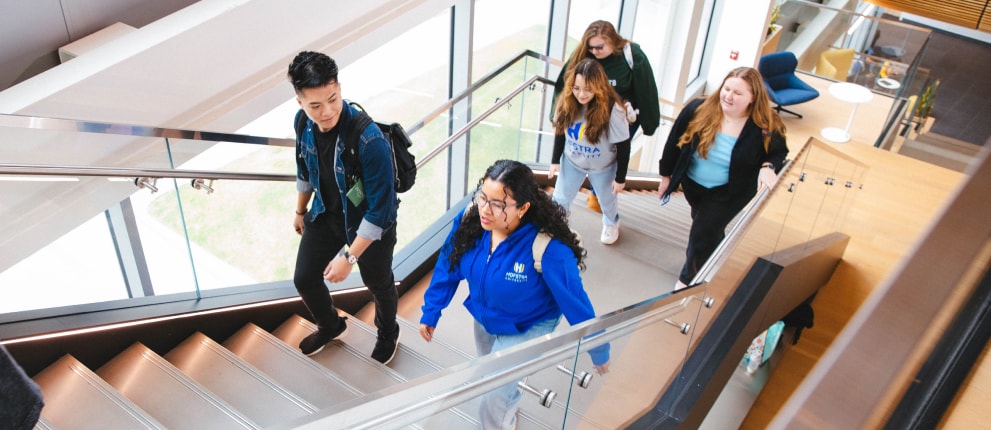
Reach out to staff committed to helping you navigate challenges, discover opportunities, and achieve your fullest potential.