




UNDERGRADUATE PROGRAMS IN
Why Study Music Education
Do you remember the excitement of your first school concert or your performances in a band or choir? Do you aspire to be like the music teachers who inspired you? At Hofstra, music education prepares you to build a strong foundation in music theory, history, performance, and ensemble work while studying the pedagogy and philosophy needed to teach in diverse classroom settings. The program follows National Arts Standards and leads to initial certification to teach music in New York State for pre-K through grade 12.
You’ll gain real classroom experience through fieldwork and student teaching across multiple grade levels and musical abilities. Whether working with choirs, bands, orchestras, or general music classes, you’ll graduate ready to guide and inspire the next generation of musicians.
Inspire the Next Generation
Hofstra’s music education program blends performance, pedagogy, and real classroom experience, preparing you to teach and inspire students.
Apply Now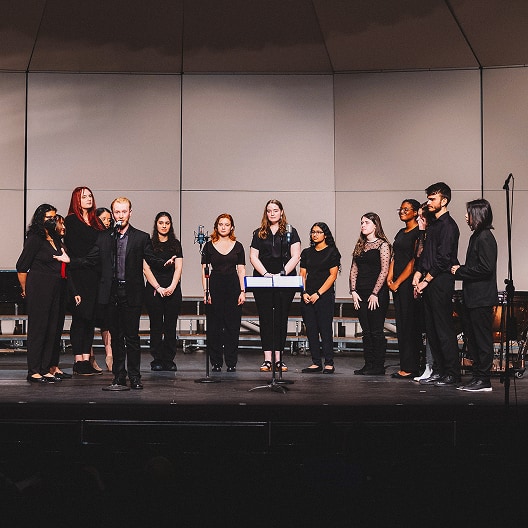
Making Music
In addition to their coursework, students are required to join one major ensemble and one chamber group each semester, but most students take advantage of the wide spectrum of experiences available and join many more.
Hofstra’s large ensembles include the Symphonic Band, Symphony Orchestra, Chamber Orchestra, University Mixed Chorus, Wind Ensemble, and Chorale. The small ensembles focus on particular instruments, genres, and time periods. They include the Hofstra Collegium Musicum, which performs as part of the University’s annual Shakespeare Festival; the Tuba/Euphonium Ensemble, which performs an OcTubafest concert every fall; the Woodwind Ensemble; the Chamber Choir; the Brass Ensemble; Vocal Jazz; Hofstra Opera Theater; and many others.
Select student performers also have opportunities to present solo and group recitals.
Other performance opportunities are available through the program in Sikh musicology and Hofstra Opera Theater, which presents a fully staged opera every year, with all leads and choral members cast from the undergraduate population.
Degrees & Programs
The foundation of this program is the core music curriculum centered on music theory, history, performance studies, and lesson requirements, including participation in major ensembles and chamber ensembles. You will also take fundamental courses in educational philosophy and pedagogical studies so you may excel as a teacher in a variety of settings, from the elementary music classroom to the high school concert stage.
You will also complete fieldwork in a variety of classroom settings across a range of grade and ability levels, as well as completing student teaching assignments.
Students wishing to declare a BSEd or a BS in Music in any concentration (music business, performance, music education, jazz and commercial music, and theory and/or composition) must audition for acceptance into these programs.
UNDERGRADUATE DEGREES & PROGRAMS
BSEd in Music EducationCareer Path & Outcomes
91%
Graduates who were employed or pursuing graduate study within one year after graduating
85%
Employed graduates who secured their positions within three months after graduating
Prepare to Lead, Teach, and Inspire
Facilities and Resources
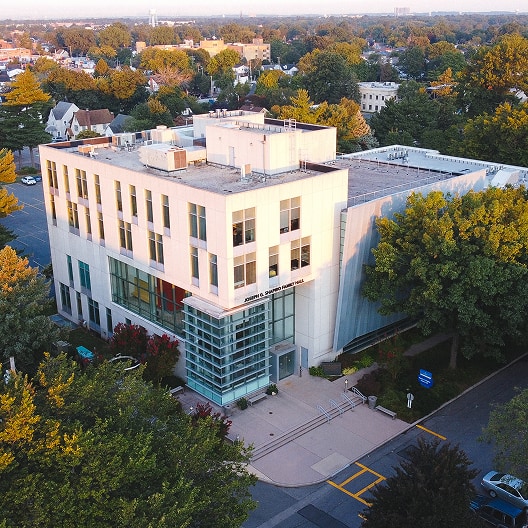
Joseph G. Shapiro Family Hall features faculty studios and state-of-the-art rehearsal spaces. The Daniel L. Monroe Lecture Center offers additional studios, classrooms, rehearsal rooms, and a music library with scores and listening resources. Performance venues include the 377-seat Helene Fortunoff Theater and the 1,105-seat Toni and Martin Sosnoff Theater.
Meet Music Education Alumni
Related Subjects
Contact Us
Office Information
Department of Music
101 Joseph G. Shapiro Family Hall
Undergraduate Coordinator of Music Education
Dr. Lauren Diaz
Assistant Professor of Music 110 Joseph G. Shapiro Family Hall
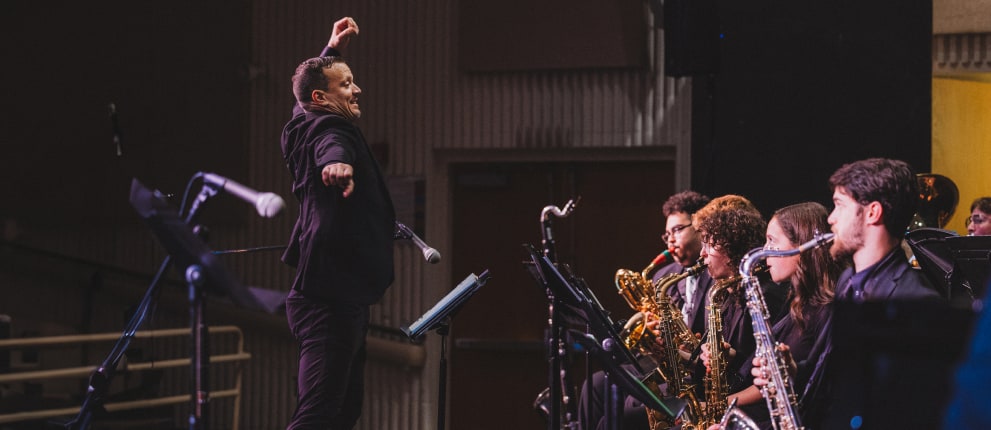
Hofstra’s music education program gives you the training, mentorship, and hands-on experience to build a meaningful career in schools, ensembles, and community arts settings.