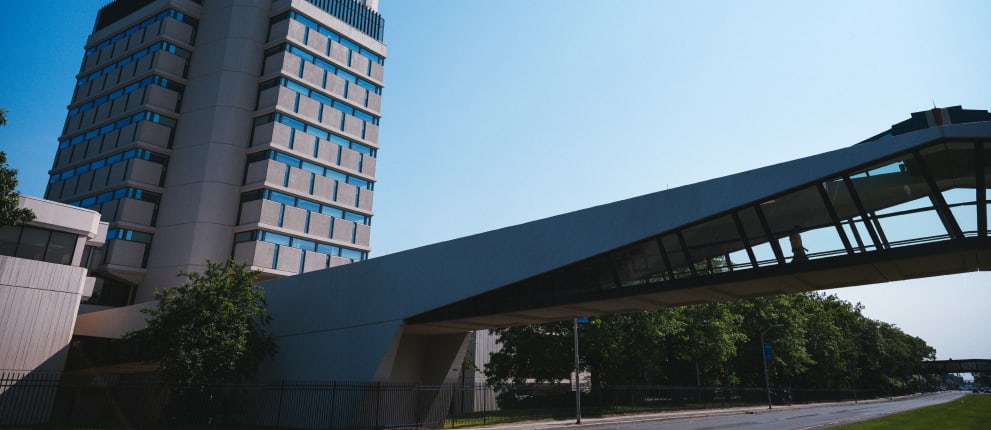




DIAGNOSTIC AND RESEARCH INSTITUTE FOR
AT THE SALTZMAN CENTER
Empowering Individuals with Autism at Every Age
The Diagnostic and Research Institute for Autism Spectrum Disorders at Hofstra provides comprehensive, research-driven care for individuals with Autism Spectrum Disorder (ASD) across the lifespan. Serving children, adolescents, and adults with a wide range of support needs, the Institute delivers individualized, evidence-based services, including therapy, social skills groups, and comprehensive diagnostic and psychological evaluations.
Grounded in cognitive behavioral therapy (CBT) and informed by additional empirically supported approaches—such as dialectical behavior therapy (DBT) and exposure and response prevention (ERP)—our clinical model is tailored to meet each individual’s unique strengths and challenges.
We take a collaborative, whole-person approach, partnering with families, educators, and providers to ensure coordinated, meaningful support. Services extend beyond direct care to include family education, community resource navigation, outreach, and a virtual parent support group—advancing Hofstra’s commitment to research, clinical excellence, and community impact.
The Institute’s Services
The services of Hofstra’s Diagnostic and Research Institute for Autism Spectrum Disorders (ASD) include:
Individual Psychotherapy (All Ages)
Milieu Communication Therapy (MCT)
Social Skills Groups (All Ages)
Initial Evaluation (All Ages)
Reevaluation (All Ages)
Parent Support Group
Community Outreach
Institute Research
In addition to its clinical services, the Institute is actively engaged in multiple student-led research initiatives. Current dissertation-level studies include investigations into the effects of stress, anxiety, and burnout on special education aides (Toni Lionetti, MS); the effectiveness of training for Level 3 autism spectrum disorder (ASD) paraprofessionals (Kayla Cusano, MS); the impact of Crisis Prevention Institute verbal intervention training for parents addressing youth externalizing behaviors (Nicole Ramirez, MS); and the relationship between stress and Crohn’s disease (Gabriel Oldshein, MS).
Master’s-level student therapists are also completing thesis research projects. Marina Karahalios and Julia Masler are examining gender differences in prosocial behaviors, empathy, and gratitude among adolescents with ASD Level 1. Olivia Galante and Juliette Alfarone are investigating parental stress and dyadic satisfaction among parents of children with ASD, with a focus on the moderating roles of social support and parental efficacy.
In addition, leaders of the parent support program are conducting an ongoing study examining the relationship between participation in parent support groups and reductions in parental stress, anxiety, and depression.
FAQs
- All therapy services (individual therapy, milieu communication therapy, and social skills groups) all cost $20.
- All evaluations (initial evaluations and re-evaluations) cost $2,500.
We do not accept insurance. However, we offer a need-based scholarship that eligible families may apply for. Some families also choose to submit claims independently for insurance reimbursement.
We currently have a very extensive waitlist. Our waitlist is approximately one year out. However, we have a large list of referrals of local agencies and providers who may have shorter waitlists.
We serve individuals across the lifespan who are diagnosed with or suspected of having Autism Spectrum Disorder (ASD). We also work closely with families and caregivers, providing parent training, education, and support. In addition, we support individuals with co-occurring conditions such as ADHD, anxiety disorders, learning disabilities, and speech or language delays.
Clinic members are trained in evidence-based interventions commonly used in Autism Spectrum Disorder (ASD) treatment. These include Cognitive Behavior Therapy (CBT), modified Cognitive Behavioral Therapy (mCBT), Exposure and Response Prevention (ERP), Systematic Desensitization, Exposure Therapy, Milieu Communication Therapy (MCT), and parent-mediated interventions.
Clinic members are trained in standardized and observational assessment methods used in comprehensive Autism Spectrum Disorder and developmental evaluations. Training includes administration and interpretation of structured diagnostic instruments such as the Autism Diagnostic Observation Schedule, Second Edition (ADOS-2) and the Autism Diagnostic Interview, Revised (ADI-R), as well as intellectual, academic achievement, developmental, and cognitive assessments. Clinic members also receive training in adaptive functioning scales, including the Vineland Adaptive Behavior Scales, Third Edition (Vineland-3), behavioral assessments, and various parent and teacher rating scales that help to differentiate diagnoses. Under the supervision of Dr. Gilbert, members develop competencies in clinical interviewing, behavioral observation, ADOS-2 coding, comprehensive report writing, and presenting diagnostic findings to caregivers during feedback conferences. Clinic members are specifically trained in conducting comprehensive diagnostic differential evaluations to identify not only Autism Spectrum Disorder but also co-occurring disorders such as anxiety, depression, ADHD, OCD, Learning Disabilities (LD), and Avoidant/Restrictive Food Intake Disorder (ARFID). Additionally, clinic members receive training in case conceptualization and clinical case presentation skills for use in supervision and clinical rounds.
The clinic offers a wide range of professional development opportunities designed to support members’ growth as clinicians and scholars. Students have opportunities to attend and present at professional conferences such as the National Association of School Psychologists (NASP) annual conference and the Association for Behavioral and Cognitive Therapies (ABCT) convention, as well as other regional and national conferences.
Members may also engage in community outreach through presentations and workshops for families, educators, and professionals. The clinic has previously collaborated with local educational organizations such as Nassau BOCES and Sachem School District to provide training and consultation services.
In addition, members have attended special events and film premieres focused on autism advocacy and awareness, including Is It Thursday Yet and Room to Move, which highlight the lived experiences of individuals with Autism Spectrum Disorder and their families.
Overall, these experiences allow members to build professional networks, strengthen presentation skills, collaborate with schools and community partners, and stay engaged with current research and advocacy efforts in the field.
The clinic provides extensive research opportunities that are integrated throughout students’ training. In the second year, students complete a Master’s thesis, allowing them to design and conduct independent research under faculty supervision. In the fourth year, students complete a doctoral dissertation, which involves more advanced, in-depth investigation contributing to the field of psychology and autism research.
In addition to these research milestones, the clinic supports ongoing faculty-led and collaborative research projects. Students may contribute to studies examining assessment practices, intervention outcomes, social-emotional development, school-based supports, or other topics related to Autism Spectrum Disorder and child development.
When not actively completing their thesis or dissertation, students have opportunities to serve as research assistants on peers’ or faculty members’ projects. This may involve implementing original interventions, data collection, coding, literature reviews, statistical analysis, conference submissions, and manuscript preparation.
These layered research experiences allow students to build strong methodological skills, contribute to scholarly dissemination, and develop expertise that bridges research and clinical practice.
Members may participate in the clinic at any point between Years 1 and 3 of the program. Many students begin in their first year and remain involved throughout their training, allowing them to progressively build clinical skills and take on increased responsibility over time.
Clinic members take on roles that correspond to their level of training and experience. In earlier stages, members may serve as clinic observers, attending sessions to learn about assessment and intervention procedures. As they gain experience, members may begin taking on clients under supervision, providing direct services such as assessment and therapy. In their third year, experienced members may serve as Clinic Coordinators, taking on leadership responsibilities such as mentoring junior members, assisting with case management, and supporting clinic operations.
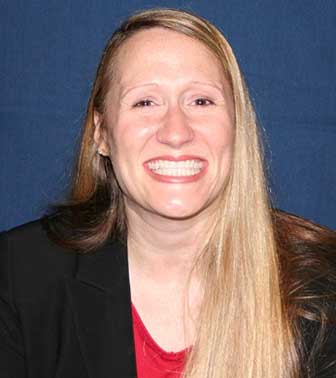
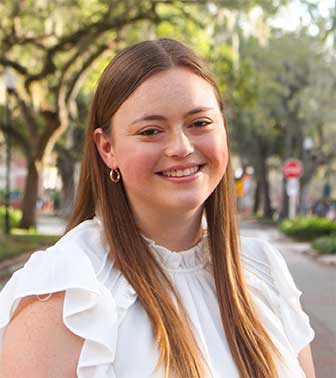
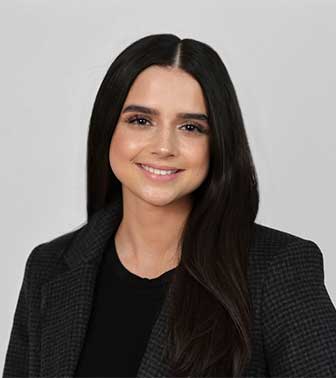
Staff
Previous Members
- Liam Alvarez, PsyD
- Diana Charlop, PsyD
- Kayla Cusano, MS
- Kyra Friedland, MS
- Hayley Kmack, PsyD
- Rachel Laads, PsyD
- Toni Lionetti, MS
- Gabriel Oldshein, MS
- Nicole Ramirez, MS
- Katelyn Reese, MS
- Kane Tajnai, MS
- Katerina Vattes, MS

Contact the Institute
Office Location
Saltzman Community Services Center
South Campus
Questions?